
Our Location
304 North Cardinal St.
Dorchester Center, MA 02124

Build a warm neutral arrangement with contrast, varied textures, and space for everyday life. Three practical combinations using ceramics, textiles, and personal objects.
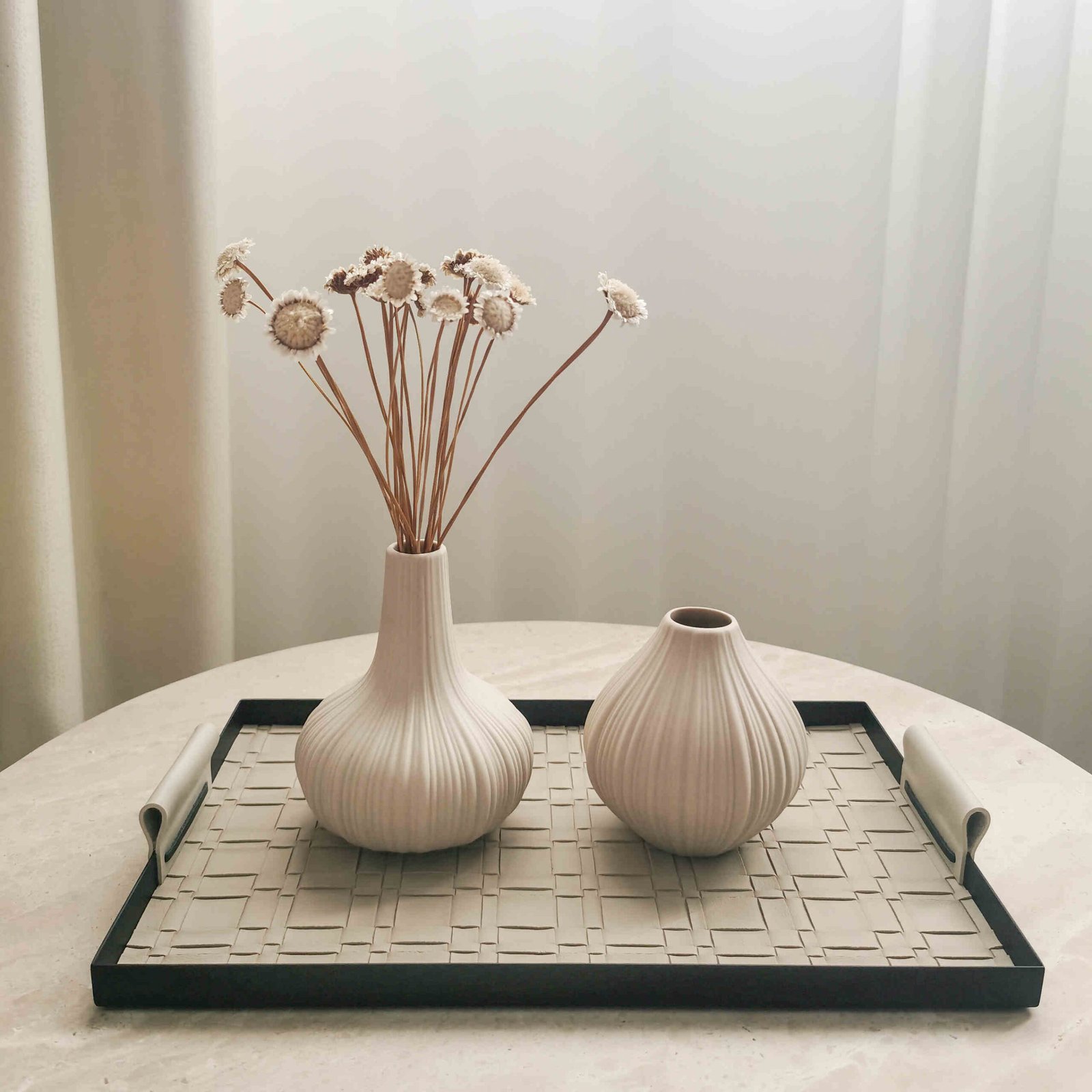
A neutral room can feel flat when every surface has a similar color and finish. Before buying more decorations, try varying texture, shape, and contrast within the palette you already have. A ribbed vase, a woven wall hanging, or one dark accent can change the arrangement without filling every corner.
These ideas are starting points, not a shopping checklist. Use objects you own first, and add a new piece only when you know what it contributes.
Look at the largest fixed elements: flooring, sofa, curtains, and wall color. Choose one tone from them as your starting point. In a room with warm wood, cream and beige accents can create a gentle connection. In a cooler setting, a pale ceramic shape can sit alongside gray textiles or darker frames.
Hold possible additions together in the actual room rather than judging isolated online images. Screen settings and lighting can change how a color appears. Slight variation can be pleasing; an exact color match is not necessary for a coherent arrangement.
Texture gives the eye something to notice even when colors are restrained. Try a smooth tabletop beside a visibly ribbed vessel, or a plain wall with one woven accent. Avoid assuming that every neutral product has the same finish; check the photographs and description for each piece.
Our beige ceramic vase set offers two rounded forms that can be displayed together or separated. The shape is the focus, so you can begin without adding flowers. Refer to the product page for the included pieces rather than treating every styled accessory in a photograph as part of the set.
If pale objects disappear against a pale wall, move one onto wood or place it near a darker object you already own. A black picture frame, a book cover, or a dark vessel can give the composition definition.
Repeat that darker tone elsewhere in the room if you like the connection, but stop before the repetition becomes a requirement. A personal photograph or a colorful book belongs in the room even if it does not fit a strict palette.
| Location | Try | Keep clear |
|---|---|---|
| Coffee table | One low book stack and a ceramic vase | A comfortable place for cups |
| Bookshelf | Upright books beside one textured form | A visible gap around the object |
| Entryway | A woven wall accent above a simple console | Your everyday landing spot |
For the coffee table, start with the vessel empty so you can judge the silhouette. On a bookshelf, move the decorative object away from the shelf’s edge and make sure its full base is supported. In an entryway, arrange the decor around how you use the space, including where a bag or mail tends to land.
Take a quick photograph of the arrangement from the doorway. Notice where your eye lands and whether useful surfaces have disappeared. Remove the object that contributes least, then look again. This is an easy way to compare compositions without buying a complete matching collection.
If you enjoy many personal objects, rotate a few rather than displaying everything at once. Keep the rest somewhere accessible so changing the display is a pleasure rather than a storage project.
Include something connected to your life: a book you read, a photograph, or a piece collected on a trip. Give it the same consideration as a new decorative object. A room feels more individual when the arrangement reflects what you enjoy.
For more specific next steps, read our ceramic vase styling guide or browse sculptures and accents for a single shape that complements your existing pieces.
Ready to arrange a specific surface? Follow our home decor ideas for coffee tables, shelves, and entryways for six practical layouts and a measurement checklist.
